Essential Tips for Industrial Cleaning in BC
Industrial cleaning in British Columbia isn’t like wiping down an office kitchen. Factories, warehouses, and large commercial buildings each come with their own dust, grease, and equipment hazards, and getting it wrong can shut down a shift.
WorkSafeBC sets the baseline for what “clean enough” means in a BC facility. A build-up of dust or spilled fluids isn’t just unsightly, it’s a slip and fire hazard that inspectors will flag. Staying ahead of that means treating cleaning as part of your safety plan, not a chore to squeeze in when there’s time.
What to Look for in an Industrial Cleaning Provider
Not every cleaning company is set up to handle a warehouse floor or a production line. Before you sign a contract, check for:
- Experience with facilities like yours: a provider who’s only cleaned offices won’t know how to safely work around forklifts or handle machine grease the way a company with industrial clients will.
- Clear communication: you want a provider that tells you when something’s off, a leak, a damaged floor coating, before it becomes your problem.
- Fair, transparent pricing: get quotes from a few providers and ask what’s actually included. A lower number sometimes just means fewer services.

Why Regular Cleaning Schedules Matter
A one-time deep clean feels good, but it doesn’t stop the next build-up. Dust and grime accumulate fast in an industrial setting, and letting it pile up shortens the life of your equipment and drives up maintenance costs.
Facilities that stick to a consistent schedule, whether that’s weekly or nightly depending on the operation, tend to see fewer equipment breakdowns and fewer sick days among staff. It’s a small line item that pays for itself.
Eco-Friendly Products Aren’t Just a Nice-to-Have
More BC facilities are switching to non-toxic cleaning products, partly because it’s better for the people working the floor, and partly because it keeps you aligned with the province’s environmental standards under the Environmental Management Act. If your current provider is still using harsh chemicals with no explanation of what’s in them, it’s worth asking why.
Handling Waste and Hazardous Materials Correctly
Industrial sites often generate waste that can’t just go in a regular bin. Used oils, solvent rags, and other hazardous byproducts have specific disposal rules under BC law. A provider who understands proper handling and disposal keeps you out of regulatory trouble and protects the people doing the work. This is worth checking upfront, not after an inspector asks about it.
The Case for Hiring Professionals
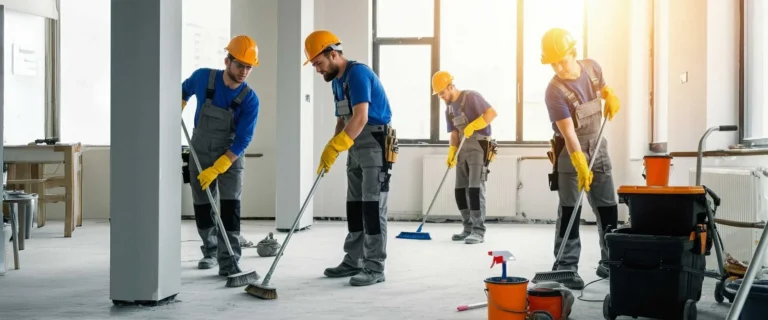
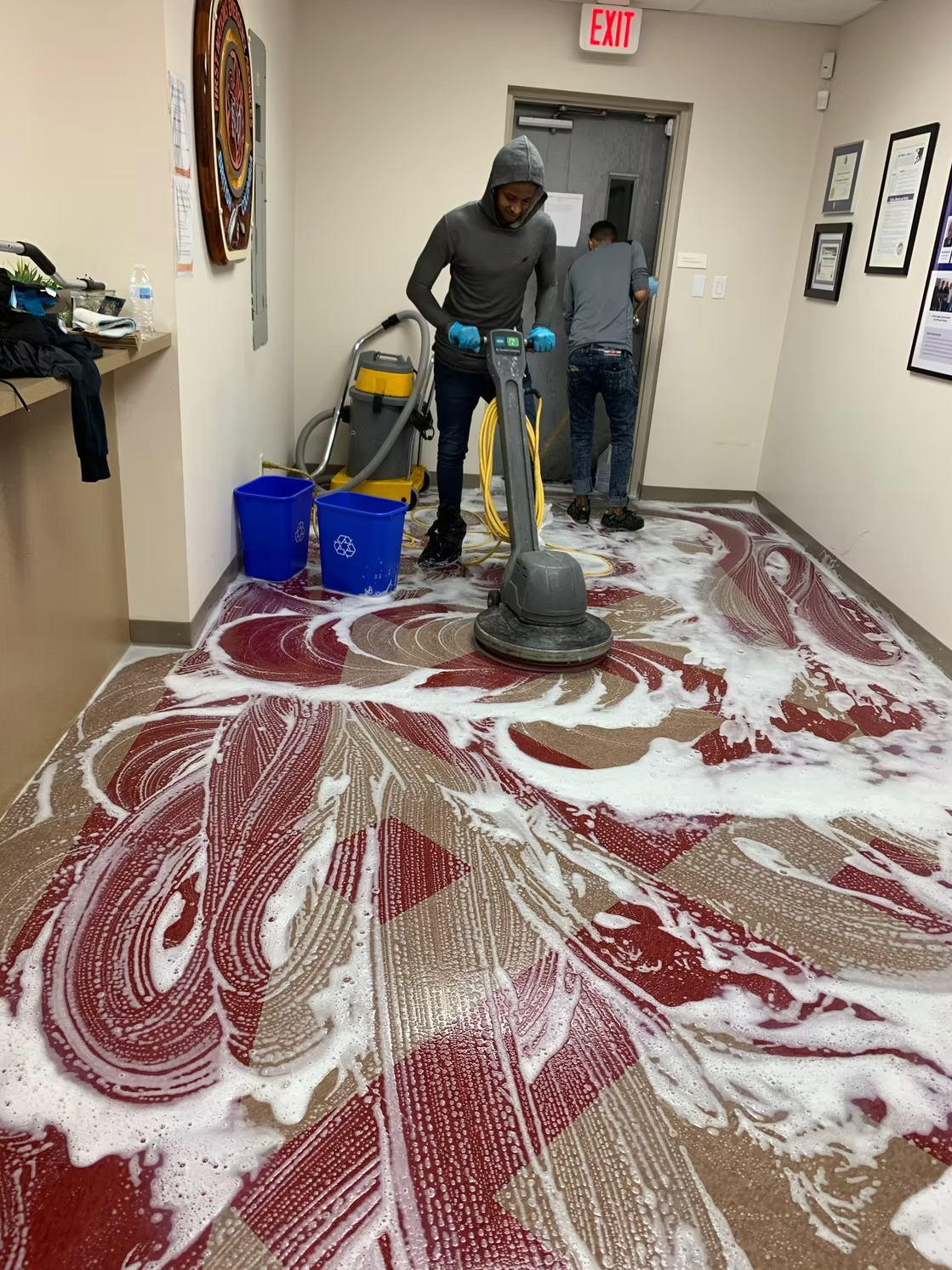
You can put together an in-house cleaning crew, but a professional industrial cleaning service brings equipment and training that’s hard to replicate on your own, things like automated floor scrubbers for large commercial buildings, or safe waste disposal protocols for hazardous materials.
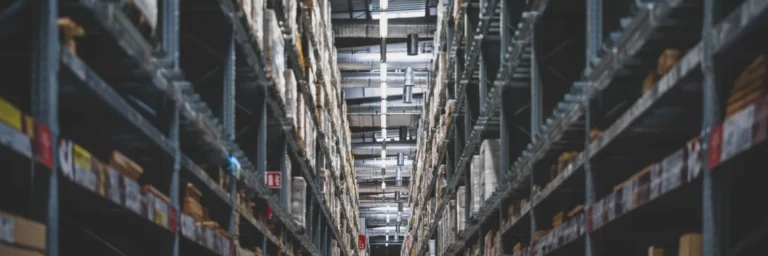
That expertise shows up in places you might not think to check: ductwork, high shelving, the corners behind machinery. Skipping those spots is usually how “we clean regularly” and “we still failed the inspection” end up in the same sentence.
If your facility hasn’t had its cleaning protocols reviewed recently, that’s a reasonable place to start, before something gets flagged.